
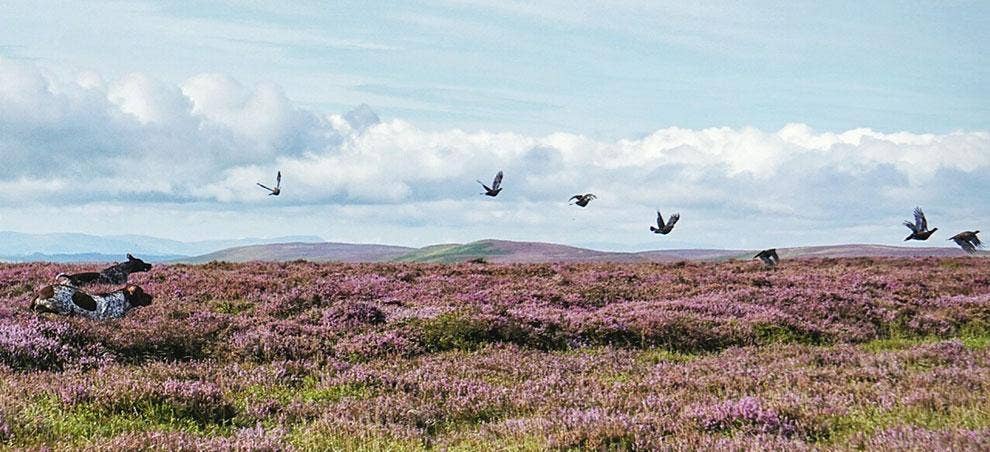
The Grouse Shooting Season: 12th August – 10th December
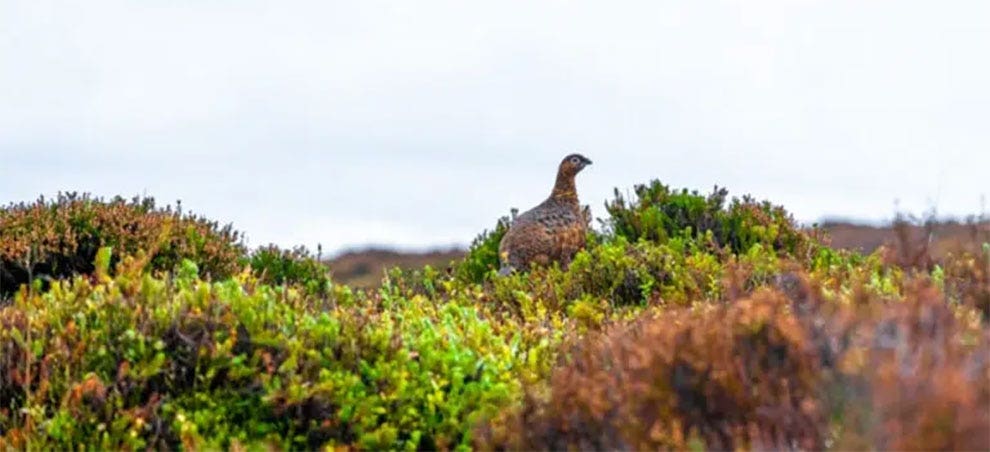
Red grouse are unique to the uplands of Britain, with their natural habitat being heather moorland. Grouse are wild birds and are not artificially reared. Their survival is dependent on careful moorland management by moorland keepers, the skills often being passed down through generations. Management techniques such as heather burning and bracken control have many positive knock-on benefits to non-game species such as the Curlew and Lapwing, as well as shaping our beautiful uplands.
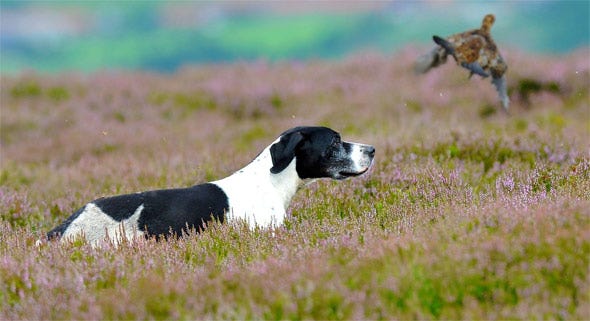 English pointer flushes a grouse. Image Courtesy of Moorland Association
Grouse shooting comprises of two distinct forms – walked up and driven:
Walked Up
This is the less formal version of grouse shooting. Guns usually walk behind dogs (often pointers) with handlers - known as ‘shooting over dogs’- and shoot grouse as they are flushed away from the line. Generally a cheaper form of shooting than driven, costing roughly £70-£80 per brace with small bags. Tipping dog handlers and keepers is a must.
Driven
This is the pinnacle of grouse shooting and arguably the finest driven shooting in the world. Guns are stood in butts – depressions in the ground, often walled and camouflaged with heather and peat. Grouse are driven towards the gun line by a large team of flankers and beaters. Grouse fly fast and low, following the contours of the ground, providing extremely challenging and exciting shooting. The bags are larger than that of walked up with prices of £150-£170 per brace. Tipping depends on the day so it is always best to ask your host or fellow guns if unsure.
If you have been lucky enough to be invited grouse shooting, here are a few tips from the team at Farlows:
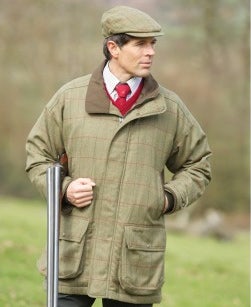 Clothing
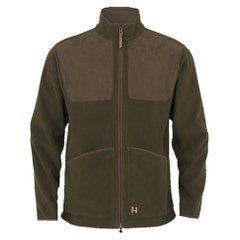
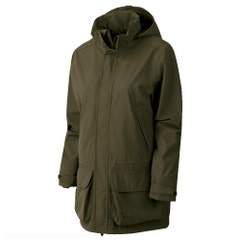
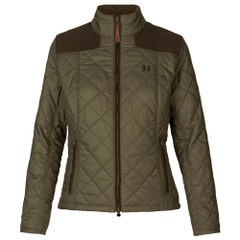
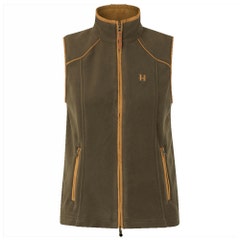
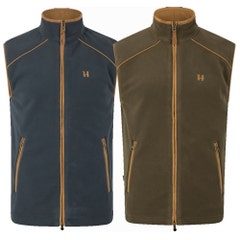
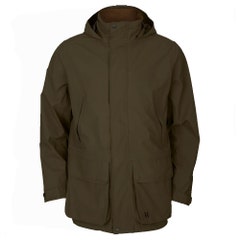
When it comes to clothing for the moor there are three important aspects that should be considered - comfort, protection and camouflage. Some of the best camouflage in the heather is in fact tweed – and at Farlows we stock a wide range of tweed shooting jackets. Our technical range includes; the Laksen and Schoffel tweeds. Each has waterproof and breathable membranes to protect you in any conditions. Another option for milder conditions would be a lightweight vest with bellow pockets for cartridges. If you wish to mix and match your outfit (often the case) then we would be pleased to advise you in store.
Footwear
Bear in mind that you will be walking on some rough terrain, often wet or frozen. If the shooting is walked up we would recommend the Le Chameau Arran walking boots, more mobile than wellingtons and which can be combined with gaiters to protect from ticks, water and rough vegetation.
If the shooting is being done from a butt, standing on cold ground can often be uncomfortable, we would recommend either the insulated Le Chameau Vierzonord or Aigle Parcours ISO wellingtons as these boots combine the normal rubber outer with a thick layer of neoprene to keep your feet warm.
Headgear
Farlows stock a wide range of traditional tweed flat caps – an essential item of clothing on the moor. Both Laksen and Schoffel have flat caps to match their shooting ranges.
Cartridges
A traditional early season Grouse load would be 28g 7’s ranging to heavier 30g 6’s later in the season when the birds are faster and fitter. For this we would recommend Eley VIP Game fibre wad cartridges.
Other Essential Equipment
- Ear Protection – A must have with any form of shooting. Farlows stock a range of over-ear headphones, and in-ear plugs.
- Shooting glasses – essential safety kit on a grouse moor
- Thumbstick or walking stick – to aid walking and to mark position of flanking line
- Mosquito repellent or net
- CHECK the position of the adjacent butts.
- ALWAYS use butt sticks to mark your arc of fire.
- ENSURE that your neighbouring butts are not within your arc of fire – adjust safety frames accordingly.
- CHECK the butt floor to ensure you have an even footing.
- ALWAYS acknowledge the position of the flankers with a wave and mark their progress during the drive.
- COMMUNICATE with your neighbouring guns if visibility is poor when the beaters/or flankers are approaching. WARN your neighbours if they are unaware.
- NEVER swing through the line, and always be aware that other butts in the line may be at a higher/lower elevation.
- ENSURE safety catches are on when guns are passed between loaders and guns.
- ALWAYS make sure that your gun is pointing away from other butts.
- NEVER fire in front when the beaters are within 150-200 meters of the guns. Generally there will be horn, after which guns may only shoot behind, away from the beaters. Horn should be acknowledged with a wave.
- NEVER leave the butt during a drive.
- MARK your birds carefully and remain in the vicinity of your butt after the drive is over until all your birds have been picked.
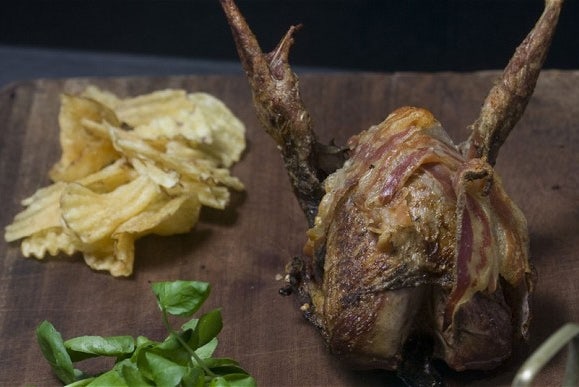 Delicious Grouse Recipe
Grouse is a delicious meat with that classic game flavour. There is nothing better than to respect the game you have shot with a well thought out recipe. Steve Parle’s recipe for roast grouse is simple and easy, however will not fail to impress the taste buds.
View the Telegraph grouse recipe »
Other good game recipes may be found on the BBC Good Food website.
We hope you have a good season!
We'll guide you through some essentials for grouse shooting plus provide recommendations from the Farlows shooting team, for your day on the moor!
What is the Glorious Twelth?
In any countryman/countrywoman’s calendar the 12th August is a very special day indeed. It marks the opening day of the grouse season across Great Britain. Over 40,000 people take part in grouse shooting each year and, with an average of 40 people involved in a single day’s shoot, it’s a big part of the shooting calendar.
One of the reasons so many of us take part in grouse shooting is that we love the challenge of fast birds on a moorland. With often strong winds and challenging conditions where birds can fly at you at speeds of up to 70mph, changing direction in an instant, it is often regarded as the most prized game shooting in Great Britain.
Grouse are wild birds, so unlike some other species of game bird in this country for there to be a successful year on the grouse moors we rely on well managed moorlands and of course, mother nature doing her thing. This is all part of the beauty of this magical game bird.
There are two main forms of grouse shooting:
Walked up is a little less formal but is often regarded as one of the purest forms of shooting, with guns usually walking behind pointers being worked by the keepers and the grouse are shot as they are flushed away from the line.
The other is driven grouse, where the guns are waiting in a line of grouse butts built into the moorland, often camouflaged in heather and peat and the keeper and beaters are beating and flanking towards the guns, pushing and working dogs over the heather. This is the most prized form of grouse shooting and is probably the finest form of driven shooting there is. The grouse fly low and fast, following the contours of the land, providing some extremely challenging sport.
Why it should be celebrated
Aside from the sporting challenge, grouse shooting brings significant environmental and economic benefits. Grouse survival is dependent on careful moorland management by moorland keepers, the skills often being passed down through generations. It is important to remember that those that care for and manage our moors day in and day out are working people and communities that earn an annual salary that is nearly solely funded from grouse shooting during the season.
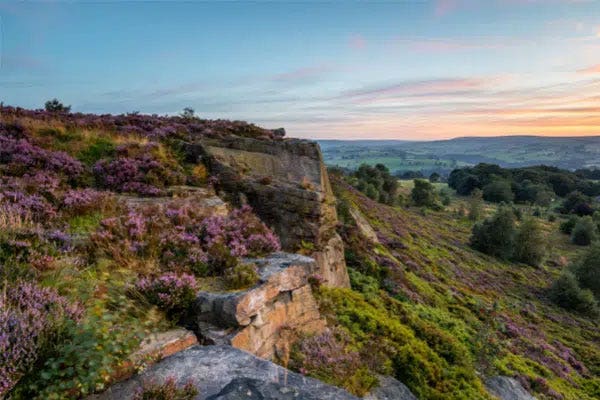
Management techniques such as heather burning help keep moorland in good shape to encourage grouse to the area and of course other ground nesting birds too. The parts of moorland where heather burning is used are where the heather growth has become older, longer and woody, which is less appealing for nesting birds and less nutritious for birds feeding on the heather.
Burning happens in a highly controlled manner in very small areas at any one time, which then promotes the fresh growth of heather and grasses for the wildlife and of course, our grouse to nest in and feed on. Although the effect is not 100% clear in all studies, just one example of the benefits of heather burning is that curlew have been shown to be more abundant as the percentage of recently burnt ground increases. The golden plover and lapwing are just two among many other species that also prefer to nest in areas of short vegetation as opposed to the older heather areas.
While some species outlined above do prefer short fresh growth heather and vegetation, some species such as the stonechat, whinchat, hen harrier, merlin, and skylark all prefer the longer heather. So, there is a constant balance to keep for maximum benefit for all species to increase diversity.
The Game & Wildlife Conservation Trust (GWCT) says “Moors managed for red grouse are shown to be better than other land uses in maintaining heather-dominated habitat, and both directly and indirectly support the species that depend on or thrive in it. This is important because 75% of the world’s heather moorland is found in Britain. In addition, many species of upland birds, including curlew, lapwing and golden plover, are more numerous and breed more successfully on moorland managed for red grouse than on other moorland not managed in this way.” You can find out more from GWCT online at www.gwct.org.uk
Aside from the massive environmental benefits grouse shooting has, the other important benefit is the economic benefit. Research from the British Association for Shooting & Conservation (BASC) estimates that almost £100 million is invested into conservation from grouse shooting in England, Wales and Scotland. Furthermore, all grouse shooting in Great Britain takes place in some of the most remote and rural parts of the country, parts that otherwise would rarely attract visitors and tourism, especially in the autumnal months. Grouse shooting helps directly by supporting the equivalent of over 2,500 full time jobs in these areas.
There is a lot of misinformation surrounding grouse shooting, and the BASC are trying to put the record straight with their #NoMoorMyths campaign, which you can read here: Grouse shooting - The British Association for Shooting and Conservation (basc.org.uk)
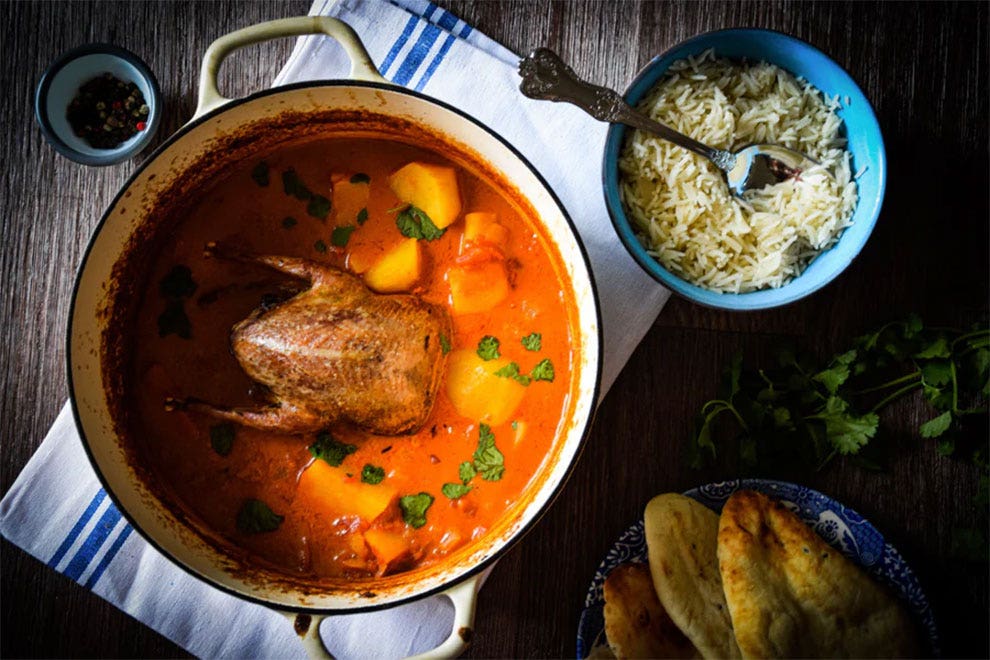
The amalgamation of sport, conservation and food is linked to everything we do with a gun or rod in hand. As a food, grouse is rightly celebrated. It’s prized by chefs and often referred to as “the king of game birds”. Its meat is rich, versatile and very healthy, with about 5% less fat than chicken and twice the protein. Our friends at Wild & Game have some excellent recipes: Grouse Recipes – Wild And Game
Other good game recipes may be found on the BBC Good Food website.
What to wear grouse shooting
Grouse shooting clothing
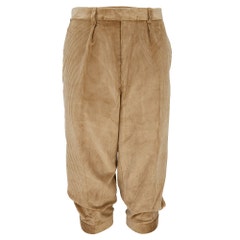
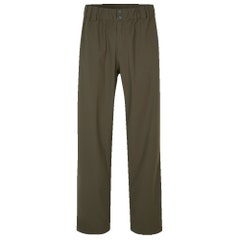
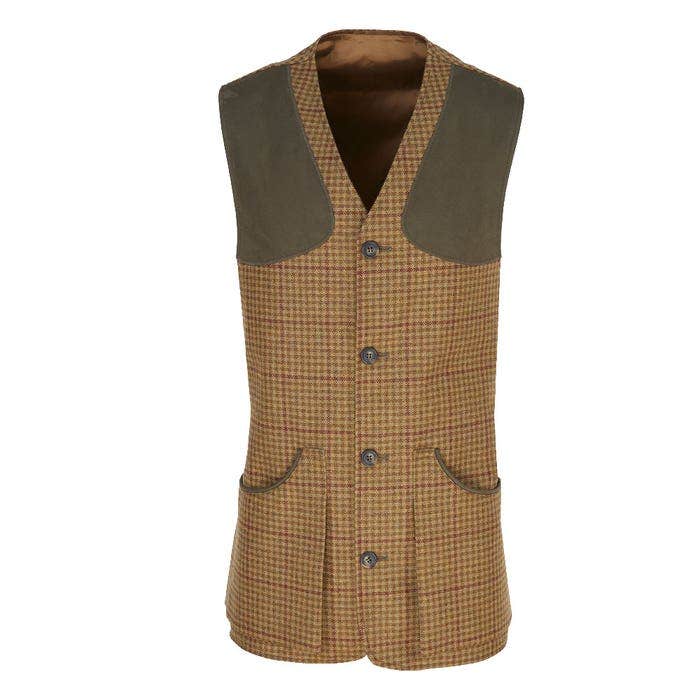
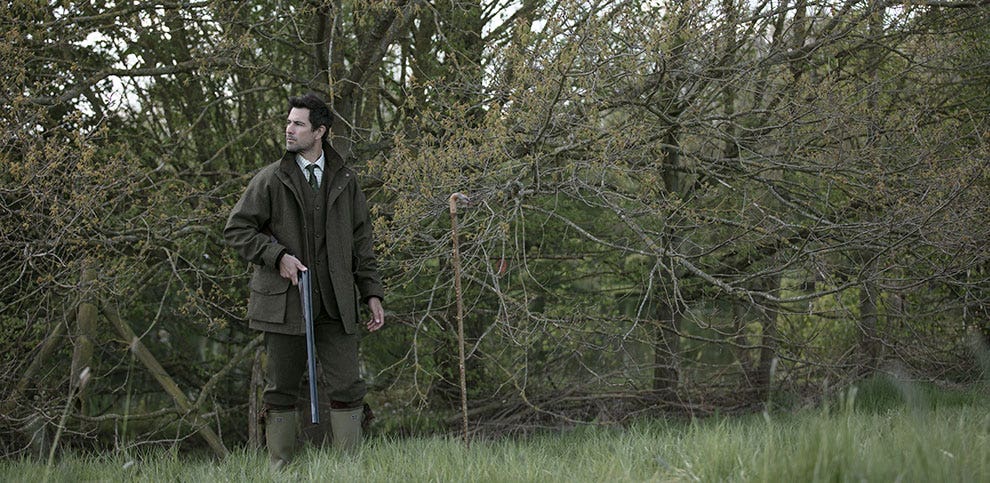
When it comes to clothing worn on the moor for grouse shooting, there are a few things that need to be considered: comfort, freedom of movement and camouflage. As the grouse season starts on August 12th, some of the early season days can still be quite warm and bright, with weather starting to turn at the mid-point of the season and onwards. For the earlier days, we recommend a dark coloured shirt with a dark tweed or loden shooting vest and a tweed cap also and a pair of tweed breeks.
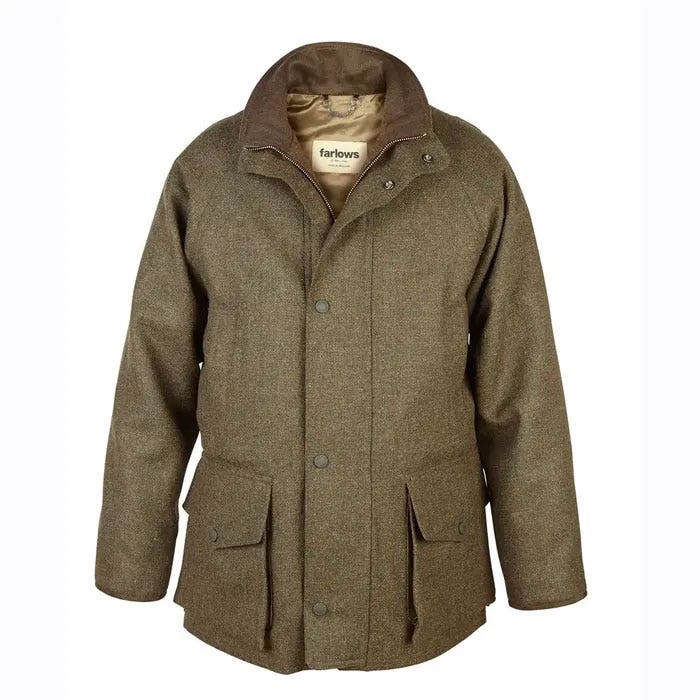
Our Farlows Moorland and Dartmoor vests and our classic tweed breeks are built for the job with a classic flat cap or 8 piece cap to match. For the later months or a day with particularly bad weather, we recommend the above with a further layer of our best-selling shooting coat, the Farlows Litchfield coat.
These coats, vests and breeks come in a variety of different tweeds, we have plain options such as Green Herringbone, and slightly more interesting designs such as our Burgundy Club Check. All of which offer a fantastic dark camouflage next to the peat and heather of a grouse moor.
The Moorland shooting vests are made with Scottish tweed or Austrian Loden, they feature large cartridge pockets, alcantara shoulder patches and an adjustable half belt back. It gives maximum freedom of movement which is needed whilst grouse shooting. The Litchfield coat uses the same Scottish tweed and has a waterproof membrane drop liner which keeps the wind and rain out, along with large cartridge pockets, fleece lined hand warmer pockets and a tall collar which all make it a great layer for when the weather turns on a grouse moor.
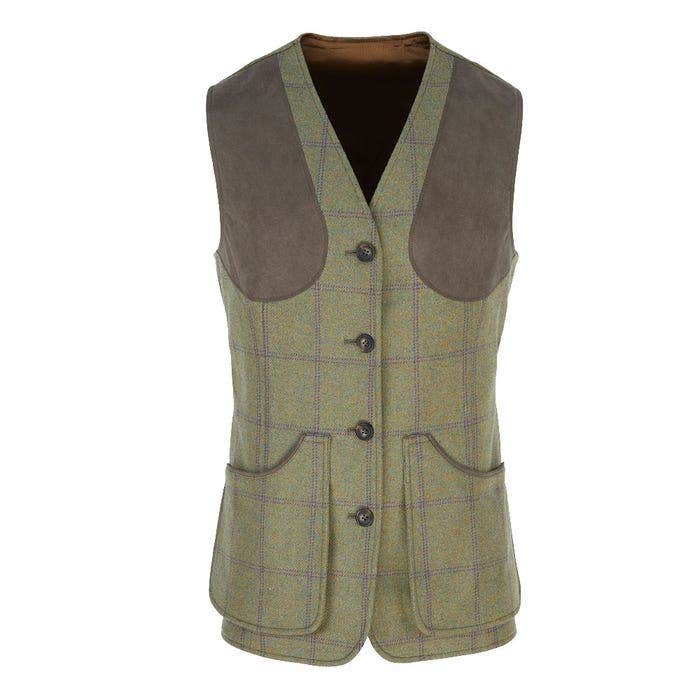
For the ladies we have our Farlows Dartmoor Tweed Shooting Vest, Burghley Field Coat and Classic Tweed Breek, which all come in the perfect-coloured Scottish tweed to fit in on a grouse moor, Heather Check. Our Burghley field coat utilises our waterproof membrane drop liner that ensures to keep warm and dry in the bad weather.
Grouse shooting accessories
- Caps and headwear - traditional flat caps or 8 piece caps are an essential item of clothing on the moor.
- Ear Protection – a must have with any form of shooting, we have a range of over-ear headphones, and in-ear plugs.
- Shooting glasses – essential safety kit on a grouse moor.
- Thumbstick or walking stick – to aid walking and to mark position of flanking line.
We also offer a great range of shooting shirts and ties, knitwear and of course the matching shooting breeks to your coat and vest. Find out more by visiting our full grouse shooting clothing collection.
Grouse shooting footwear
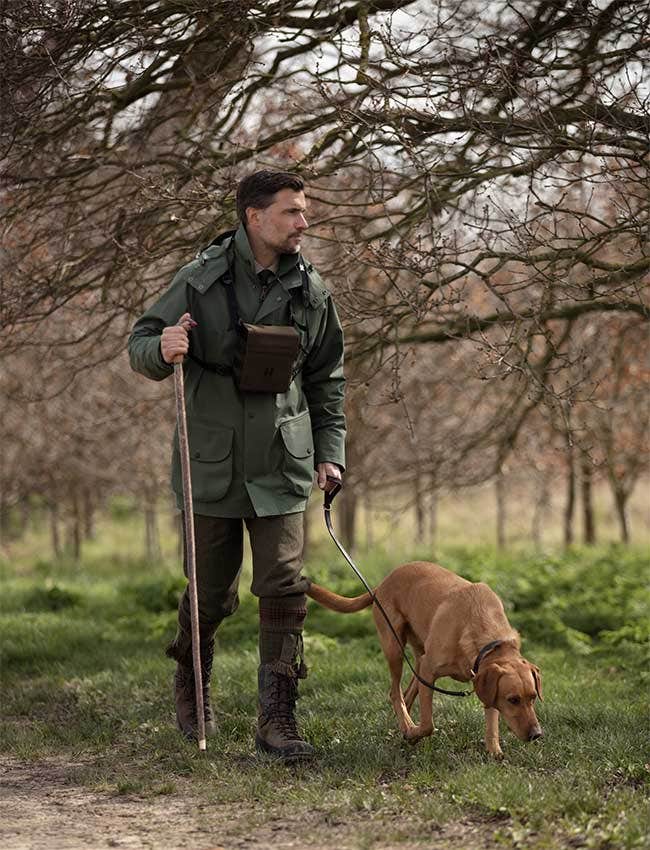
Shooting footwear needs careful consideration, bearing in mind you will be walking through some rough terrain - over heather, often wet and soggy or even frozen ground.
Some grouse shooters opt for wellies, whereas others and the more regular grouse shooter will opt for a pair of Meindl boots. Wearing these boots as opposed to wellies gives you far more support when walking greater distances and across rough terrain.
You’ll find your ankle is well supported avoiding any movement inside the boot meaning you have far better traction.
Our range of Meindl boots features four different styles , and we’d recommend the Meindl Bhutan, Meindl Dovre or the Meindl Dovre Extreme for grouse shooting.
For greater protection from the elements and further support up the ankle and leg, opt for the Dovre Extreme. If well treated with wax regularly, these boots will last you many happy years of shooting.
Your footwear of choice should also be paired with a pair of shooting socks with garters. We have a wide selection to choose from.
Procedure and safety during the drive
Finally, if you are lucky enough to go grouse shooting this coming season, here’s our advice for keeping everyone safe:
- CHECK the position of the adjacent butts.
- ALWAYS use butt sticks to mark your arc of fire.
- ENSURE that your neighbouring butts are not within your arc of fire – adjust safety frames accordingly.
- CHECK the butt floor to ensure you have an even footing.
- ALWAYS acknowledge the position of the flankers with a wave and mark their progress during the drive.
- COMMUNICATE with your neighbouring guns if visibility is poor when the beaters/or flankers are approaching. WARN your neighbours if they are unaware.
- NEVER swing through the line, and always be aware that other butts in the line may be at a higher/lower elevation.
- ENSURE safety catches are on when guns are passed between loaders and guns.
- ALWAYS make sure that your gun is pointing away from other butts.
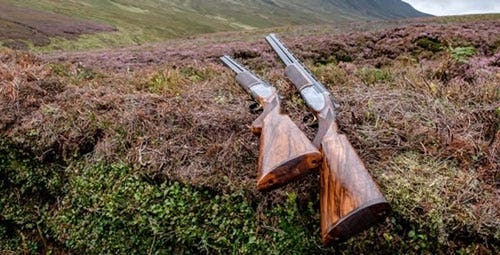
Reccommended for Grouse Shooting
-
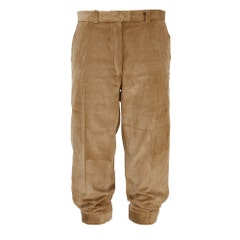 Farlows Ladies Corn Cord Shooting Breeks£99.00 Regular Price £199.99
 -
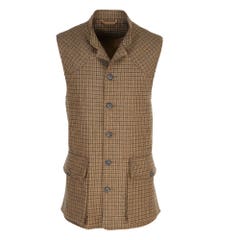 Farlows Dark Olive Houndstooth Tweed Shooting Gilet£363.30 Regular Price £519.00
 -
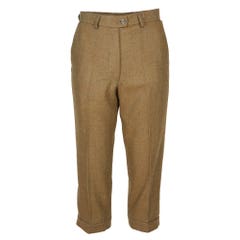 Farlows Ladies Bronze Herringbone Lined Tweed Shooting Breeks£128.00 Regular Price £215.00
 -
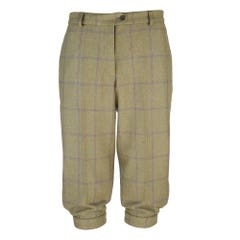 Farlows Ladies Heather Check Lined Tweed Shooting Breeks£128.00 Regular Price £239.00
 -
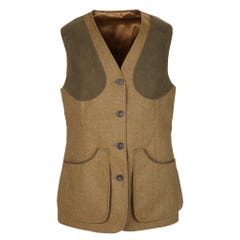 Farlows Ladies Bronze Herringbone Dartmoor Tweed Shooting Vest£250.00 Regular Price £429.00
 -
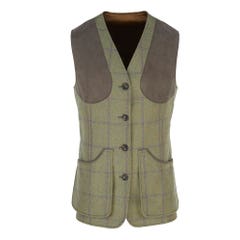 Farlows Ladies Heather Check Dartmoor Tweed Shooting Vest£250.00 Regular Price £429.00
 -
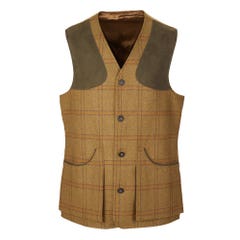 Farlows Saxony Claret Check Moorland Tweed Shooting Vest£300.30 Regular Price £429.00
 -
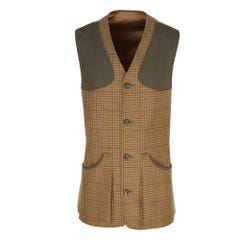 Farlows Burgundy Club Check Moorland Tweed Shooting Vest£300.30 Regular Price £429.00
 -
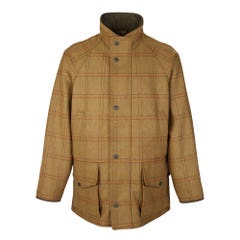 Farlows Saxony Claret Check Litchfield Tweed Field Coat£524.30 Regular Price £749.00
 -
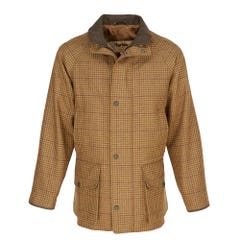 Farlows Burgundy Club Check Litchfield Tweed Field Coat£524.30 Regular Price £749.00
 -
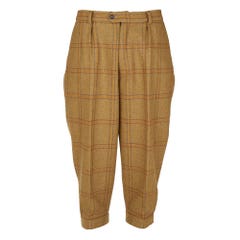 Farlows Saxony Claret Check Lined Tweed Shooting Breeks£143.00 Regular Price £215.00
 -
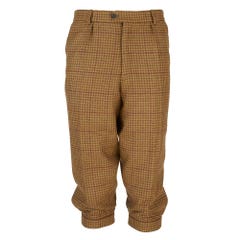 Farlows Burgundy Club Check Lined Tweed Shooting Breeks£143.00 Regular Price £239.00